“By the equinox on 22 September, the fields have been shorn of crops, the main crop potatoes are being harvested, and the sun’s heat has greatly lessened. Stubble remains. The nights are longer and the shadows come earlier, with that peculiarly beautiful slant of sun…[it] is a month of clearing, cleaning, digging.” (The Turning of the Year – Eithne Massey)
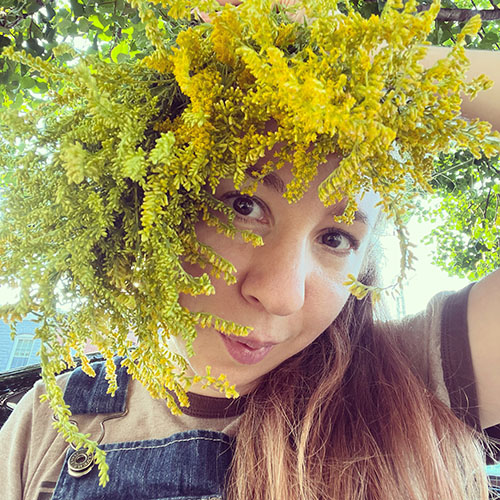
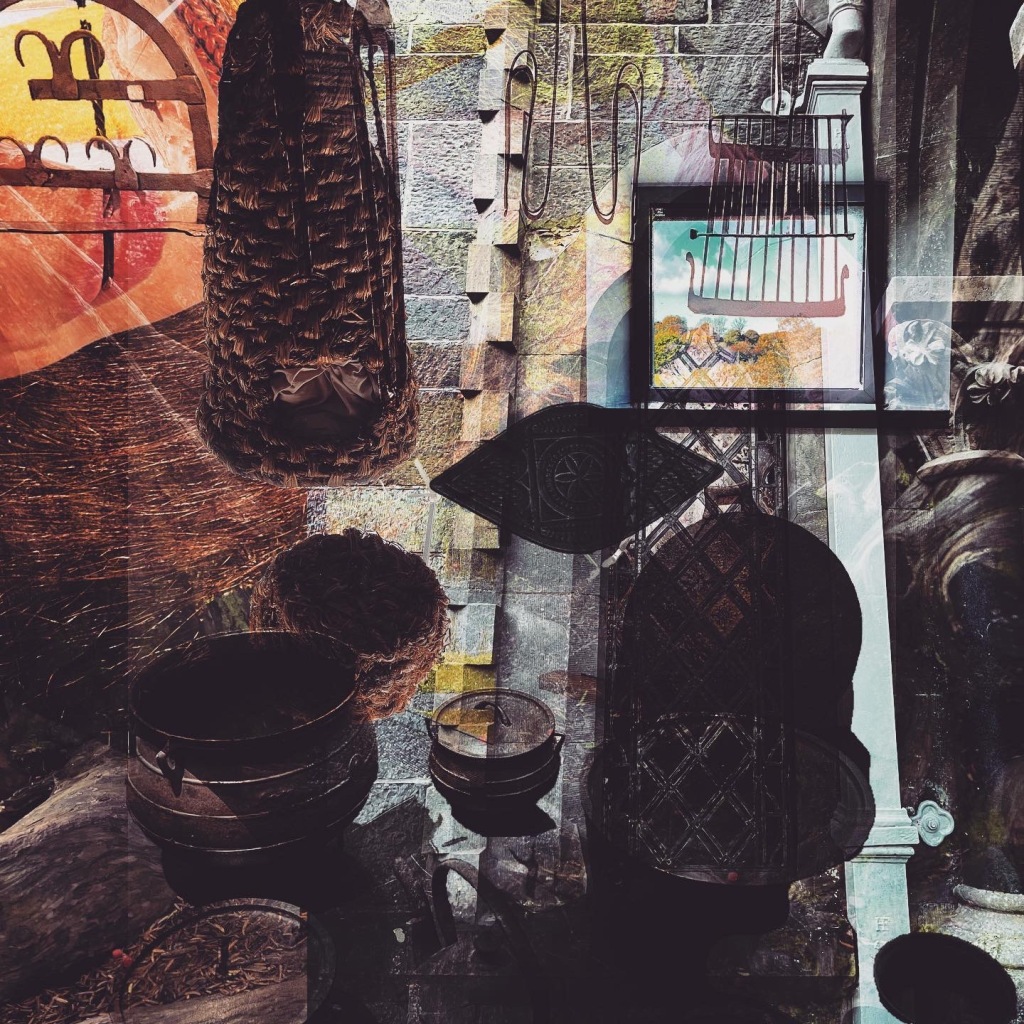
On this day of perfect balance between light and dark – Autumn Equinox, Mabon, Meán Fómhair – I am transitioning from a few bright and lovely days in Country Mayo, including a fascinating talk about #stgobnait of the bees and iron workers for #culturenight, to a much-anticipated night with @pjharveyofficial ! Also looking forward to a community geekout on the history of #bataireacht with @bmorebata tomorrow, before settling into my long-term apartment next week.
🐝🐝🐝🐝🐝🐝🐝🐝🐝🐝🐝🐝🐝🐝🐝🐝🐝
“At Knowth…the orientation of the great mound suggests that there could have been two ceremonies at different times, the vernal equinox on March 20th or 21st , and the autumnal equinox on September 22nd or 23rd. at these times, the sun rises and sets directly in the east and west, while day and night have equal lengths. The spring equinox represents the beginning of the growing season, and the harvest would have been gathered at the autumnal equinox.
At Knowth one might visualize a morning ceremony on the east side, and an evening ceremony on the west side. Such rites could have been the occasion of a pan-passage-tomb festival involving people from far and wide, providing a link between life and liturgy. Part of the event might have involved an enactment of ritual outside the tomb, for instance a procession around the mound, taking advantage of the decoration on the kerbstones – each one perhaps representing a “station” within a system.”
(Knowth, and the passage-tombs of Ireland by George Eogan)
 Bridging Appalachia
Leave a comment