In Irish and greater European tradition, particularly with Catholicism, the rite of baptism combines folk and religious belief to bring an infant and their soul from the land of the dead (separation), through the cleansing ritual (liminality) and to incorporation into the community/sanctification. The ceremony, whether lay or official, involves purification symbolism, naming and special clothes to mark the betwixt and between nature of the rite (O’Conner, 2005). According to van Gennep, “[i]f a child dies before the rite of his incorporation into the world is performed,” they must be buried in order to return them to the land of the dead (1961b, 52). In this way, the rite of passage is completed as well as possible. According to Catholic doctrine, which is no longer generally accepted, unbaptised babies existed in a state of limbo in a place of “dorchadas gan phian” (O’Connor, 2005, 76). They are denied the light of heaven and burial in consecrated ground.
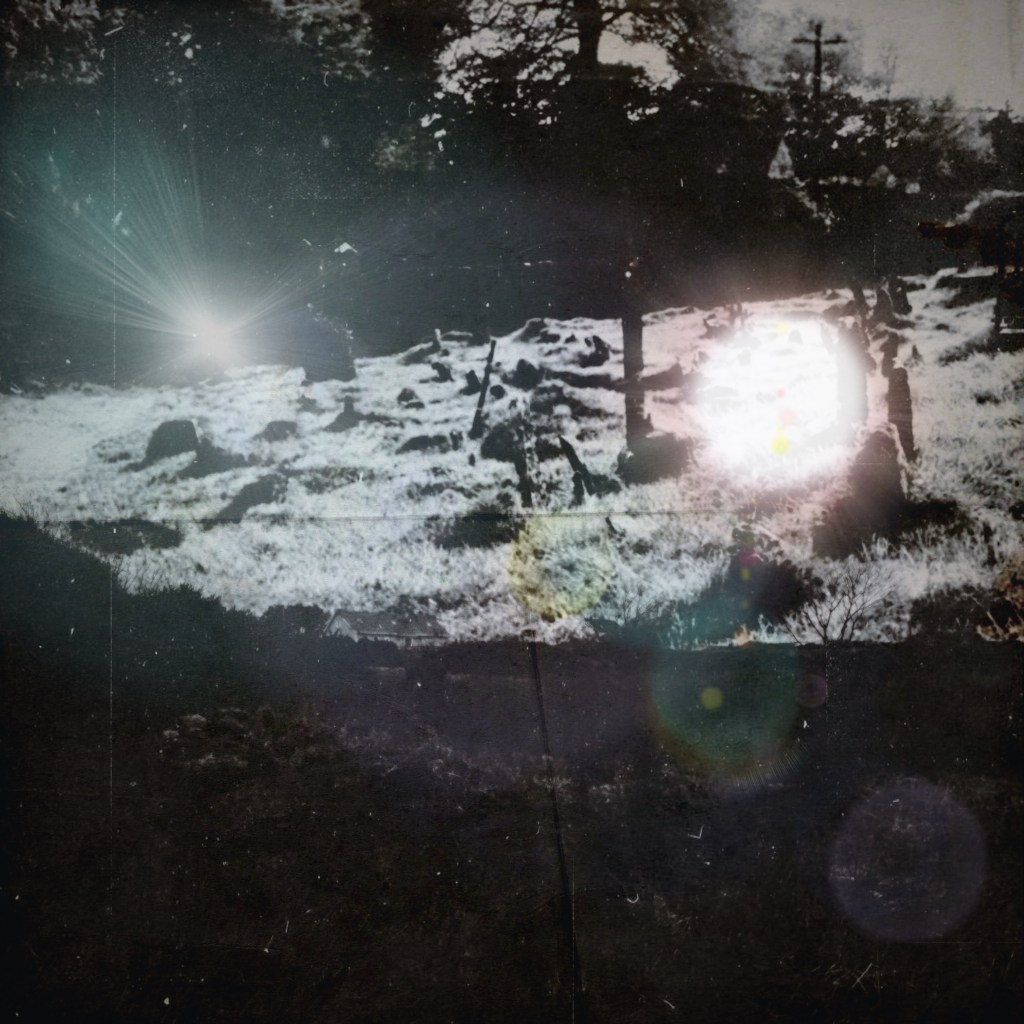
The othered nature of unbaptised children led to tales of hauntings and other forms of retribution. The mother was generally the victim of the unnamed child’s wrath, but anyone could witness the ghosts of unbaptised children in various forms (O’Connor, 1991). In response to this perpetual liminal state and label of otherness, unsanctioned burial grounds, known as cillíní, cellúnaigh or reiligí, were created. They were located in liminal spaces, such as the edges of churchyards, borders of villages or cliffs by the sea (Dennehy, 2016). Closely associated with fairy lore and contagion, unintentional traversing of these grounds could lead to disorientation and other physical symptoms, similar to interactions with fairy forts. The cillíní accommodated, not only unbaptised children, but also other people who died without grace – suicides, strangers, paupers, people who died without last rites and women who died in childbirth (Dennehy, 2016). Attempts were made to release these souls to heaven with prayers, holy water, conditional baptisms and the giving of names (Dennehy, 2016; O’Connor, 1991).
Dennehy, E. (2016) ‘Placeless Dead?: Finding Evidence for Children in the Irish Landscape’, The Journal of the History of Childhood and Youth, 9(2), pp. 213–231.
O’Connor, A. (1991) ‘Infants Killed before Baptism Haunt Mother (ML 4025)’, Béaloideas, 59, pp. 55–66. Available at: https://doi.org/10.2307/20522376.
O’Connor, A. (2005) ‘The Restless Souls of Unbaptised Children in Irish and European Folk Belief’, in The blessed and the damned: sinful women and unbaptised children in Irish folklore. New York; Oxford; Peter Lang, pp. 65–98.
Van Gennep, A. (1961b) ‘Birth and Childhood’, in The Rites of Passage, Translated by G.L. Caffee and M.B. Vizedom, Chicago, Illinois: University of Chicago Press.
 Bridging Appalachia
Leave a comment