-
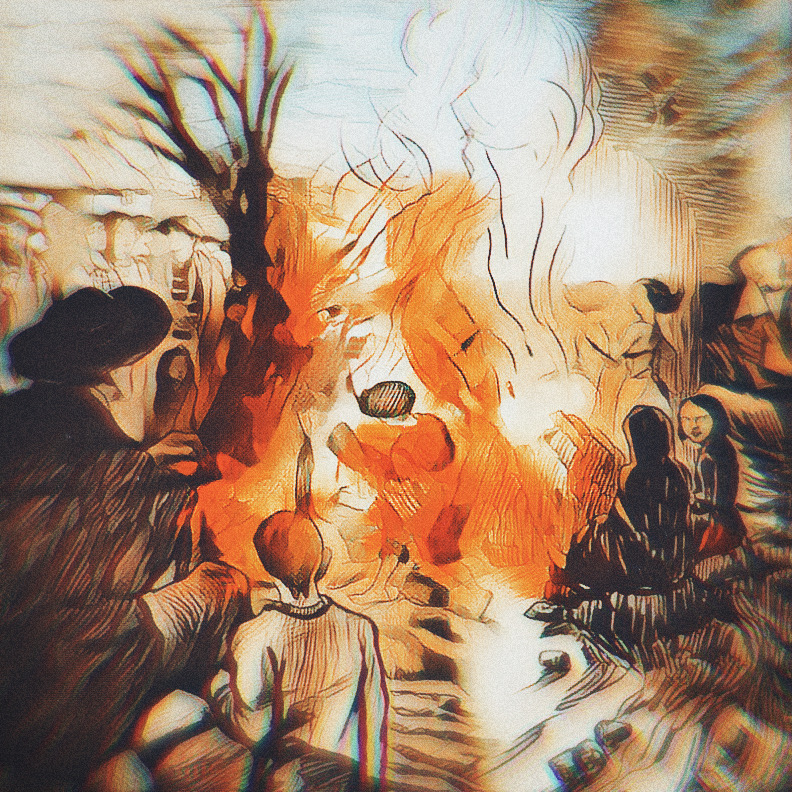
NFC S 0033: 0048 “The feast of St. John is held on the twenty fourth of June. On the eve of St. John’s feast the people make a bone fire in honour of St. John. The young school boys go around to every house gathering turf and sticks for the fire. They also get oil
-
The sun was shining until almost 11 pm in Dublin, leading the way to a nearly full moon. Excited to finally share this city with my love. ♥️
-
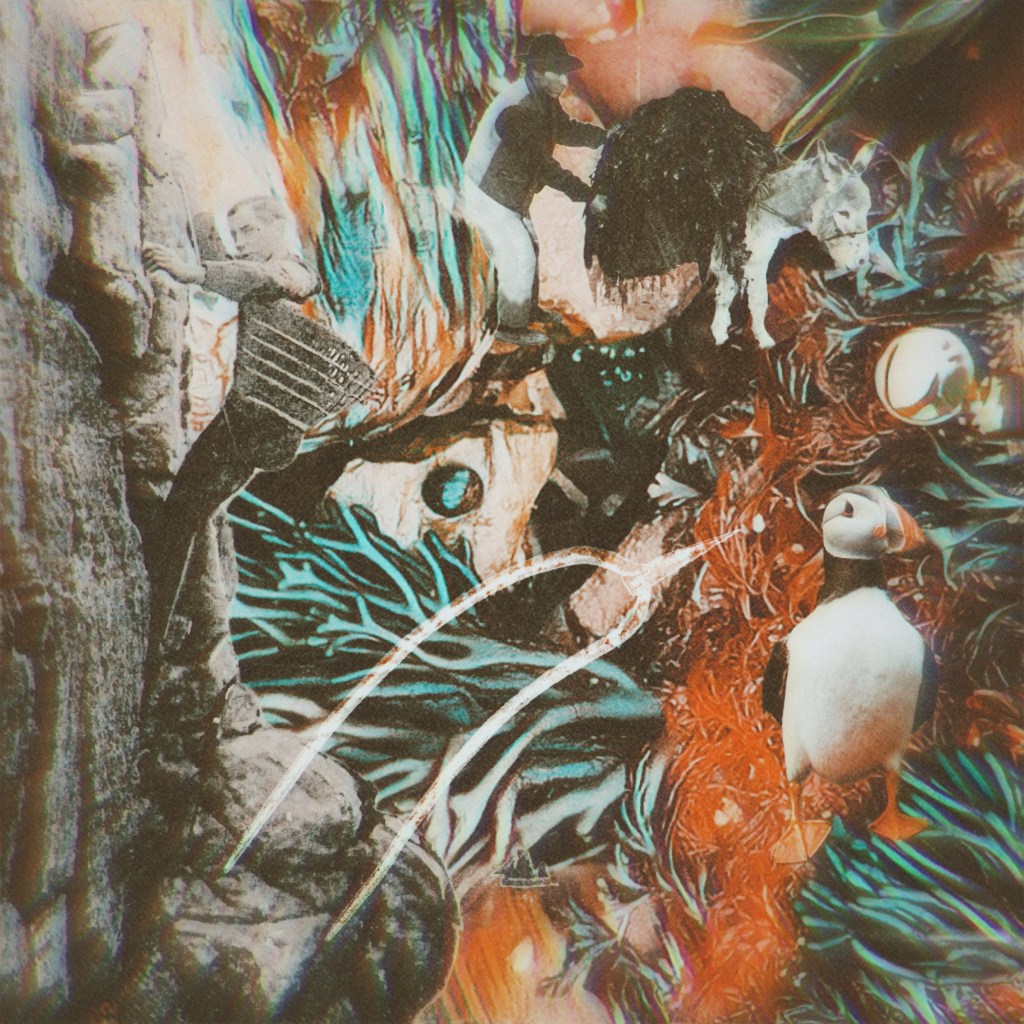
Seaweed harvesting and seabird fowling were significant economic and food provision strategies along the coasts and small islands of Ireland and Scotland into the 20th century, which have been disrupted for various reasons. Coastal farmers relied primarily on the sea for survival due to limited arable land, which is supplemented with nutrient rich seaweed manure
-
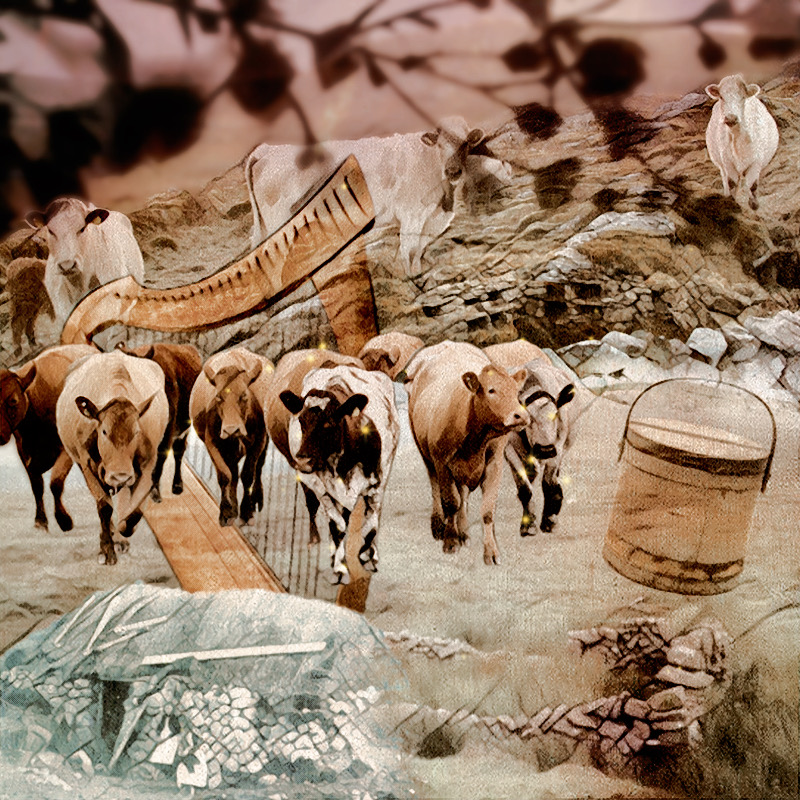
Transhumance “is the seasonal movement of people and livestock from one environmental context to another” and buaile[ing] or the shieling system are forms of “seasonal pastoralism” common in Gaelic countries into the 20th century as a vernacular response to the landscape that in turn informed lifeways and material culture (Costello 2020, 1). In most cases,
-
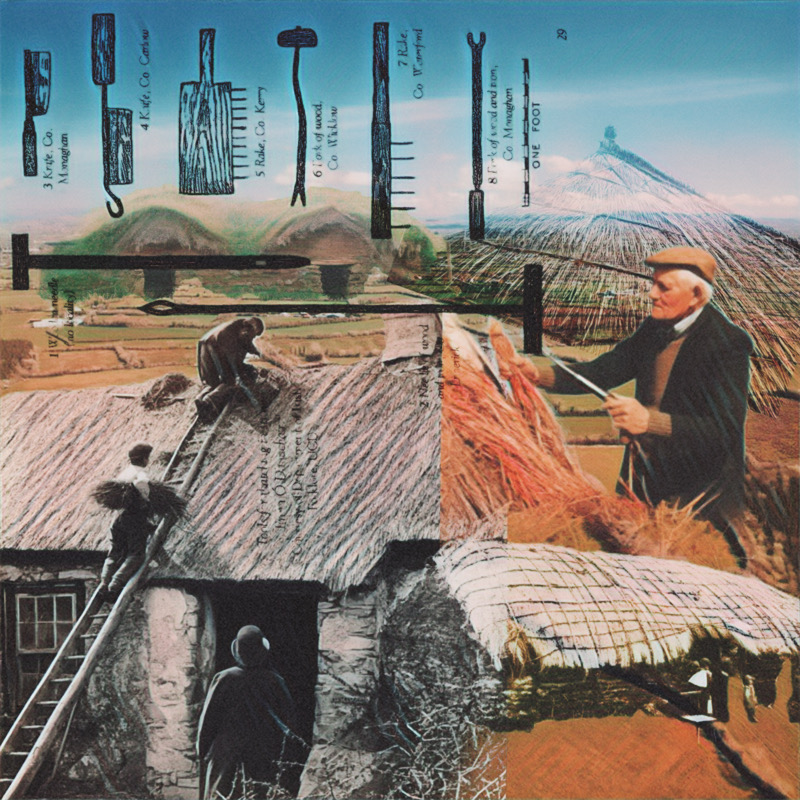
Turf or sod were used for seasonal housing, like transhumance shelters or semi-permanent housing for landless labourers, who worked communal lands in exchange for rent Ó Reilly 2011). These structures, which often lacked foundations, did not hold up like stone homes but ‘ethnography indicates a highly developed understanding of natural materials and ecologies, considerable practical
-
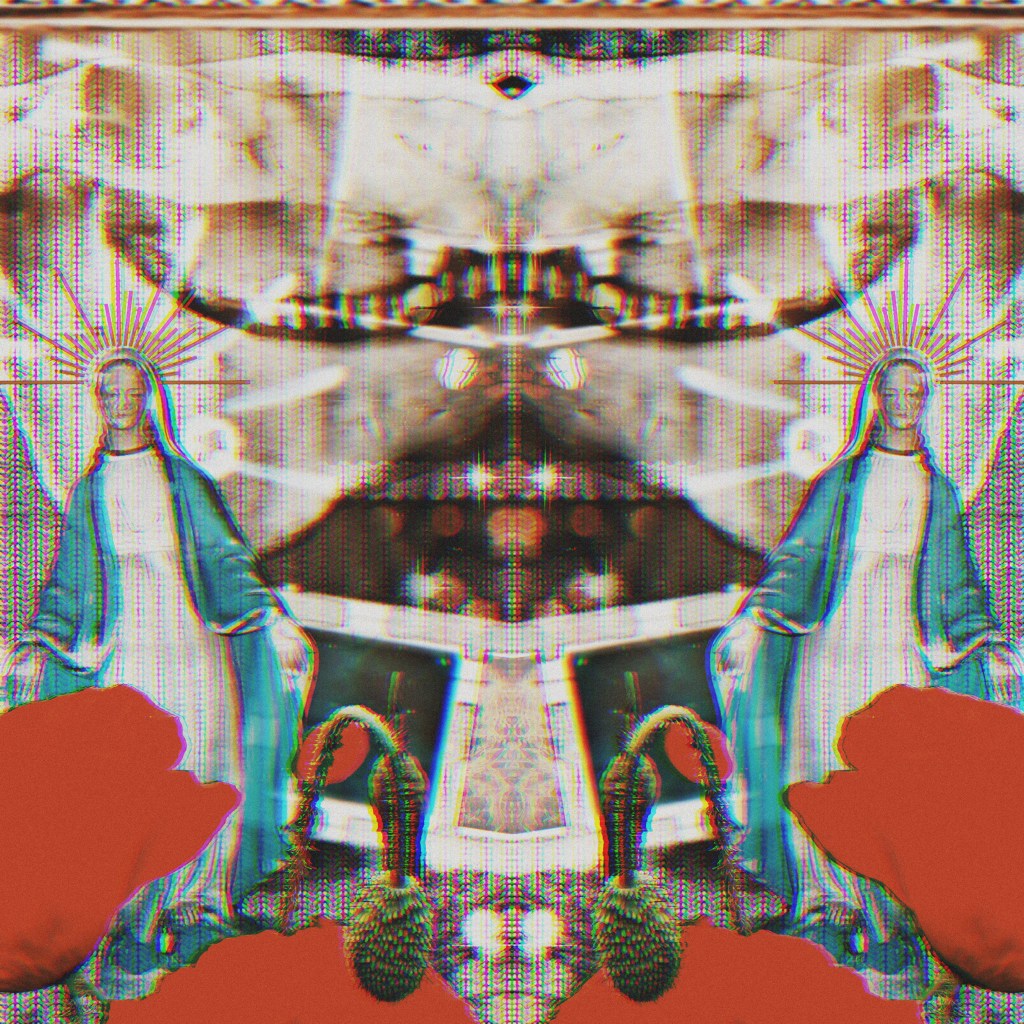
A common feature in Irish vernacular architecture is the west room, a parlour in the west of the house, opposite the hearth. This room, which was not often utilised, contained well-honed furniture, religious items, representations of deceased and emigrated relations and pieces symbolising important rites of passage (Arensberg 1959). This cold and lonely room, associated
-
TW: vague references to domestic abuse, sexual assault, infant death, death in childbirth and torture.
-
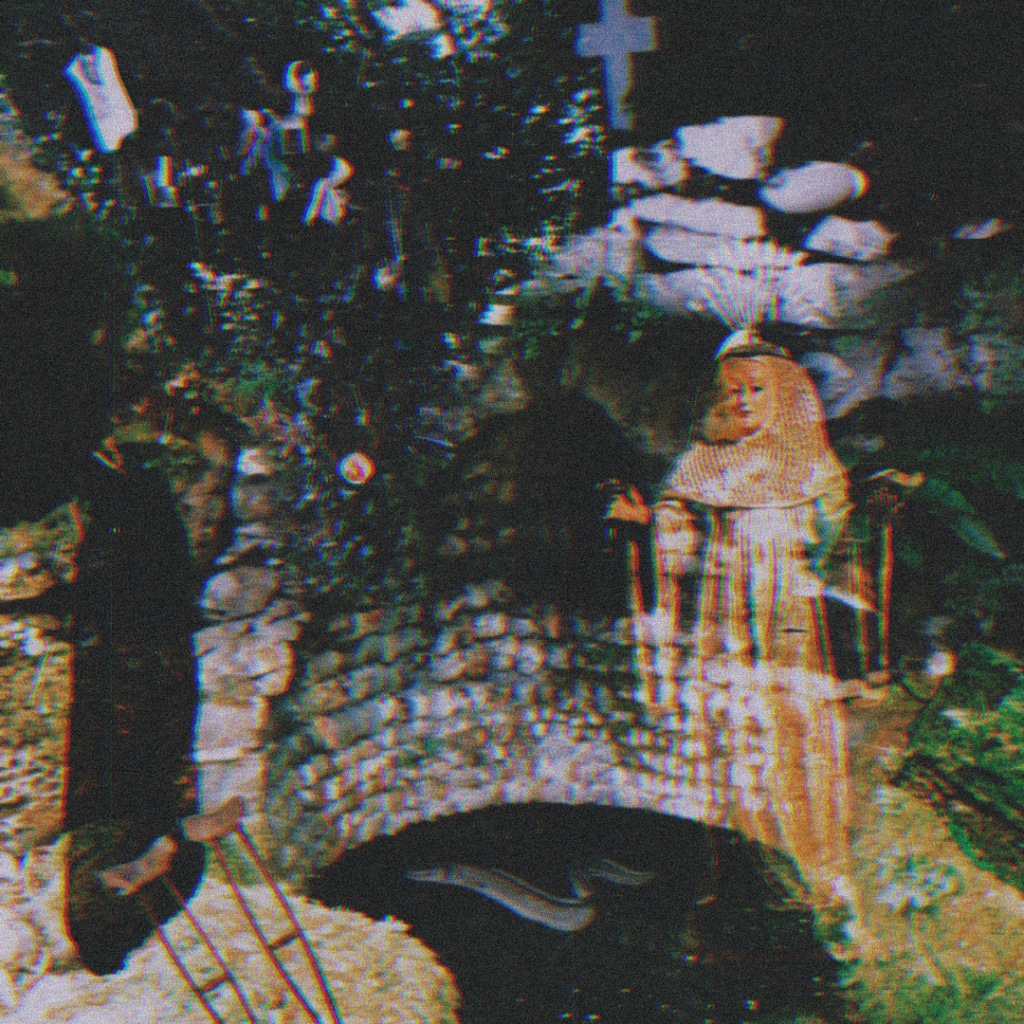
Holy wells are water sources associated with past or present religious devotion. They may be simple springs or have complex landscapes, including a shelter, a rag tree, an adjacent mass rock, and/or various other natural or man-made features, which serve as stations for ritual interaction. These features and the wells themselves are material culture that
-
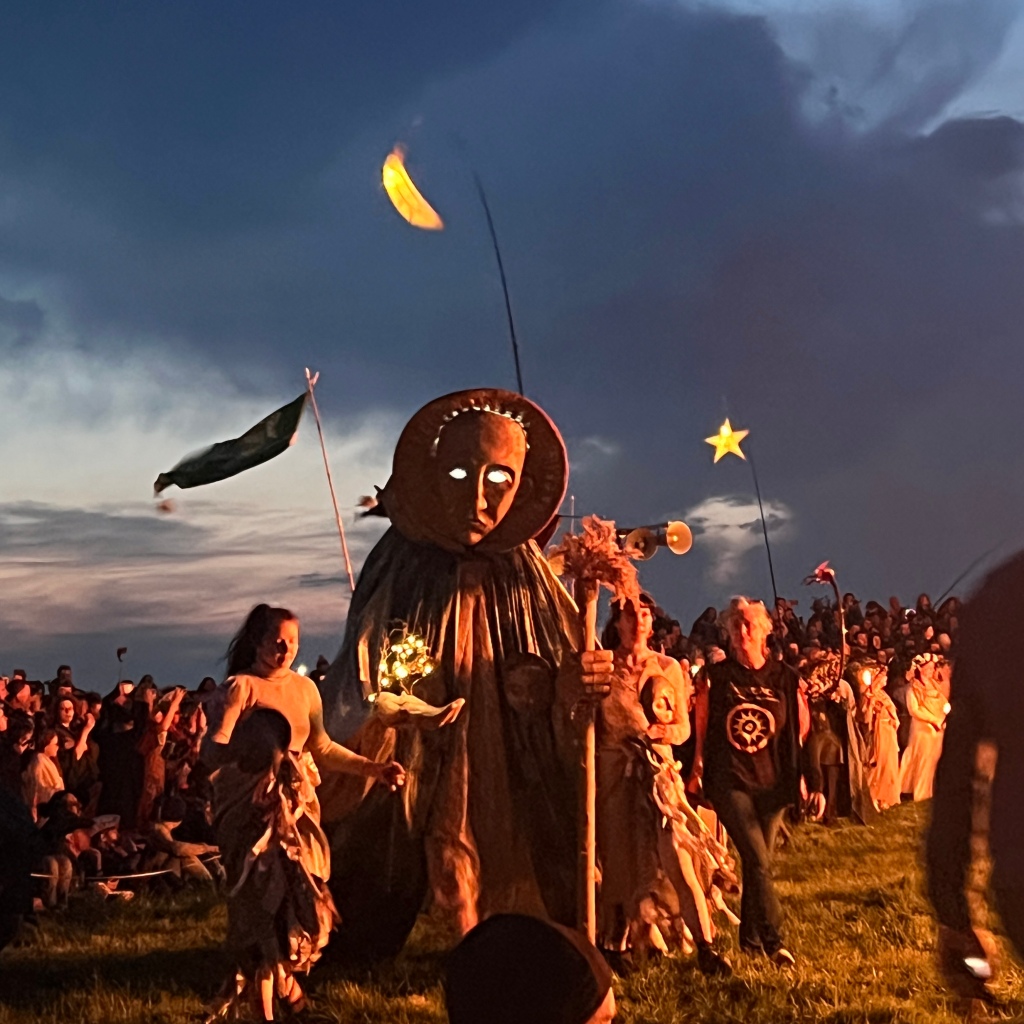
As the Cailleach passes the torch to Éiru and one fire becomes all fires…
-
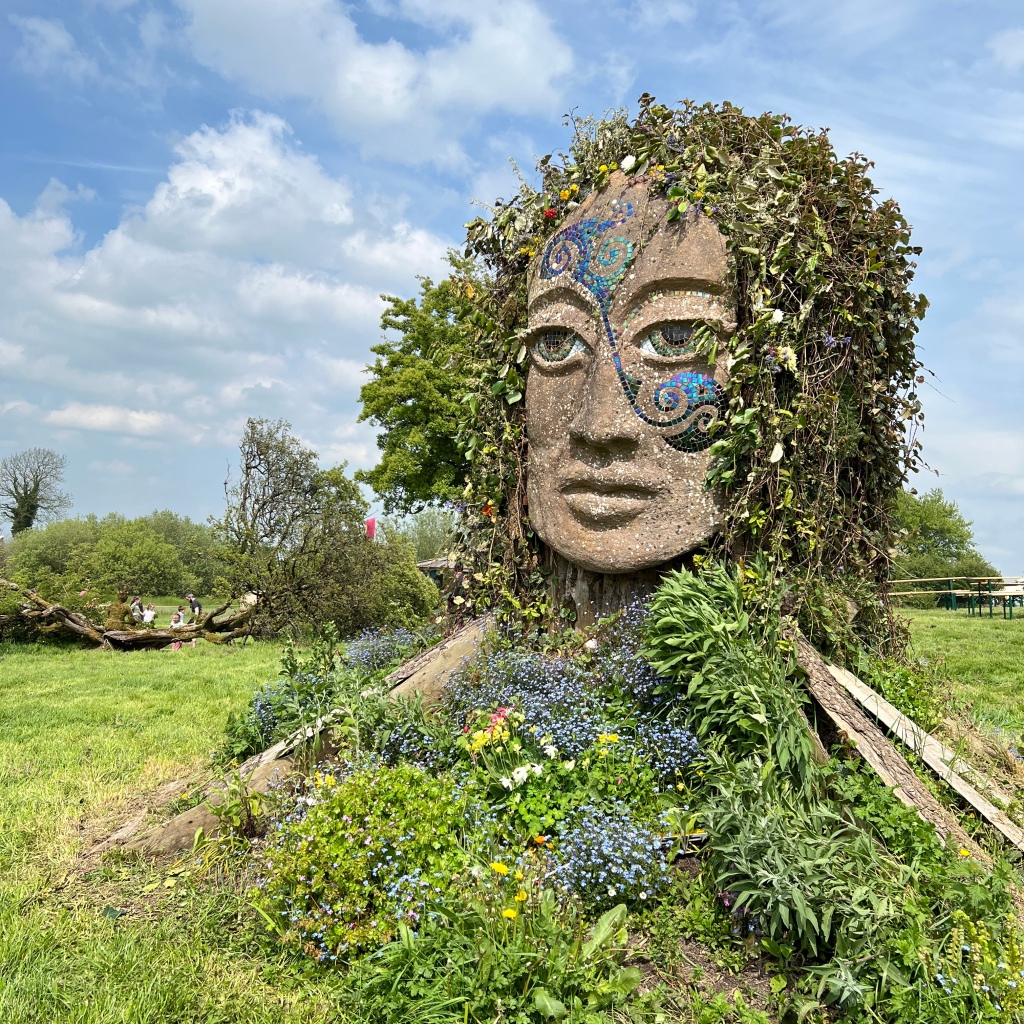
such a beautiful, calming and inspiring place and time.
Bridging Appalachia
A Baltimorean folklorist in Ireland to explore story as medicine and the preservation of traditional foodways and medicine techniques in Irish lore.
 Bridging Appalachia