-
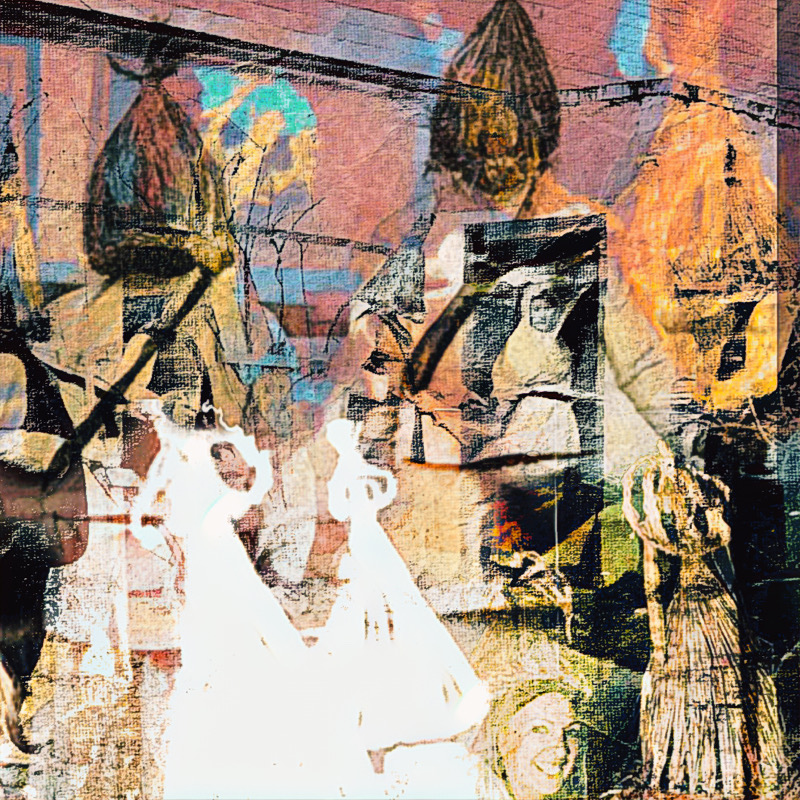
The Strawboys were small bands of disguised men, who traditionally arrived as uninvited guests to weddings in most of Ireland. Their disguises varied, but always included straw and often women’s clothing. They were particularly focused on anonymity, wearing hats or masks that covered their faces and often obscured their height. Otherwise known as Buachaillí tuí,
-

Jacob and Wilhelm Grimm were scholars in 18th century Germany, whose prolific works included a vast collection of folktales and other lore. The chance combination of their personal values and circumstances uniquely situated them to influence both generations of readers and the study of folklore. The contribution of the Grimm brothers to the development of
-
Legends are narratives, which involve an element of belief that is grounded in time and place[1]. They tend to be shorter than folktales and provide a social function of expressing community fears in order to uphold values and maintain status quo. Authenticity is presented in these tales through naming of people and places and establishment
-
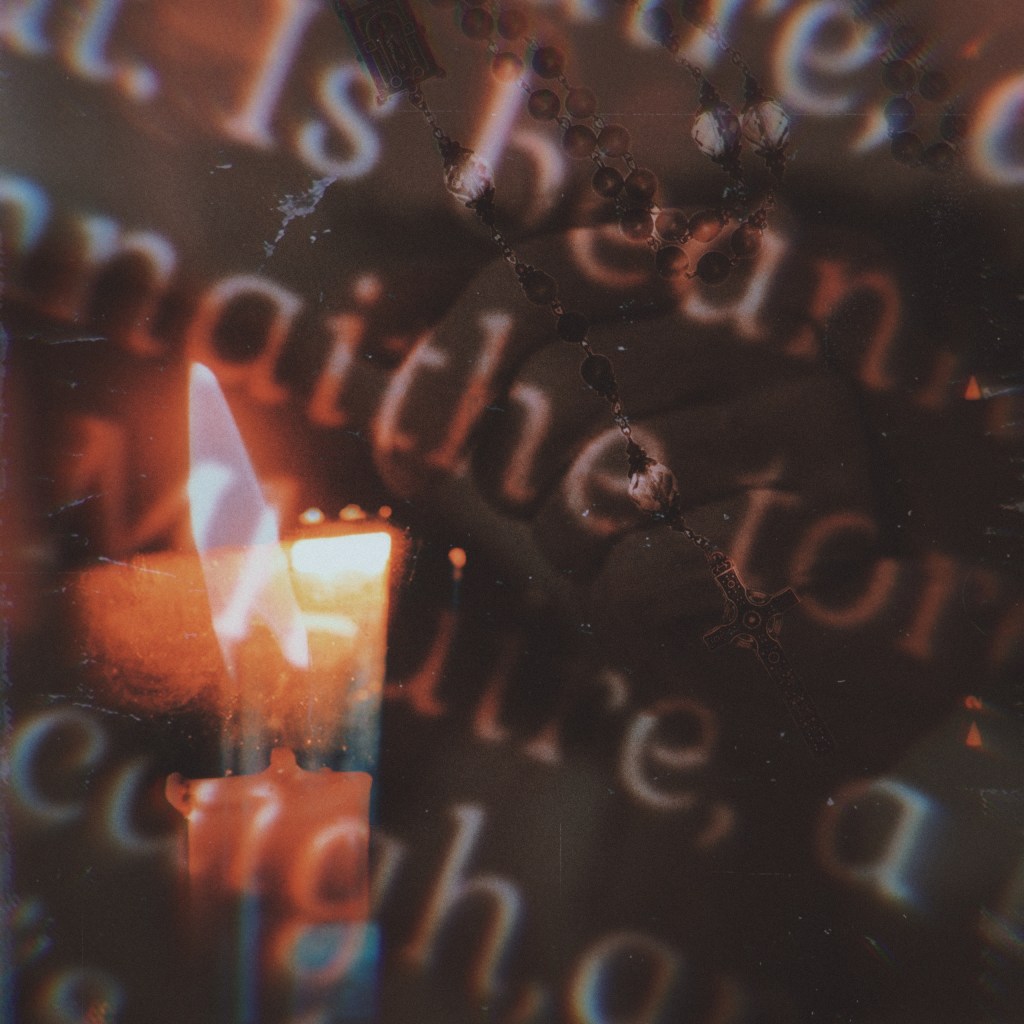
Persistence of Folk Beliefs and Practices in Care of the Dying “The poor and old are cared for now just as in days of yore When friars at their Abbey kept for all an open door And old friends who come to fish on island studded Mask Throw care away as day by day in
-

The cultural legacy of the Brothers Grimm is fraught with incongruities, which complicate contemporary relationships to their collected folk tales. Folklorist, Simon Bronner, highlights several antagonistic dichotomies credited to the brothers, including “international diffusion and romantic nationalism…[and]…blatant literary license and fidelity to tradition.”[1] Though the brothers had sociopolitical justifications for revising folk tales, it is
-

Several folks have expressed interest in what I’m reading as I study folklore at UCD. I’ll continue to post pics in stories and highlights on @bridgingappalachia, but I’ve also created a shop on bookshop.org for any of the books they carry. Most of my current reading will be on the folklore list, but I’ve included
-
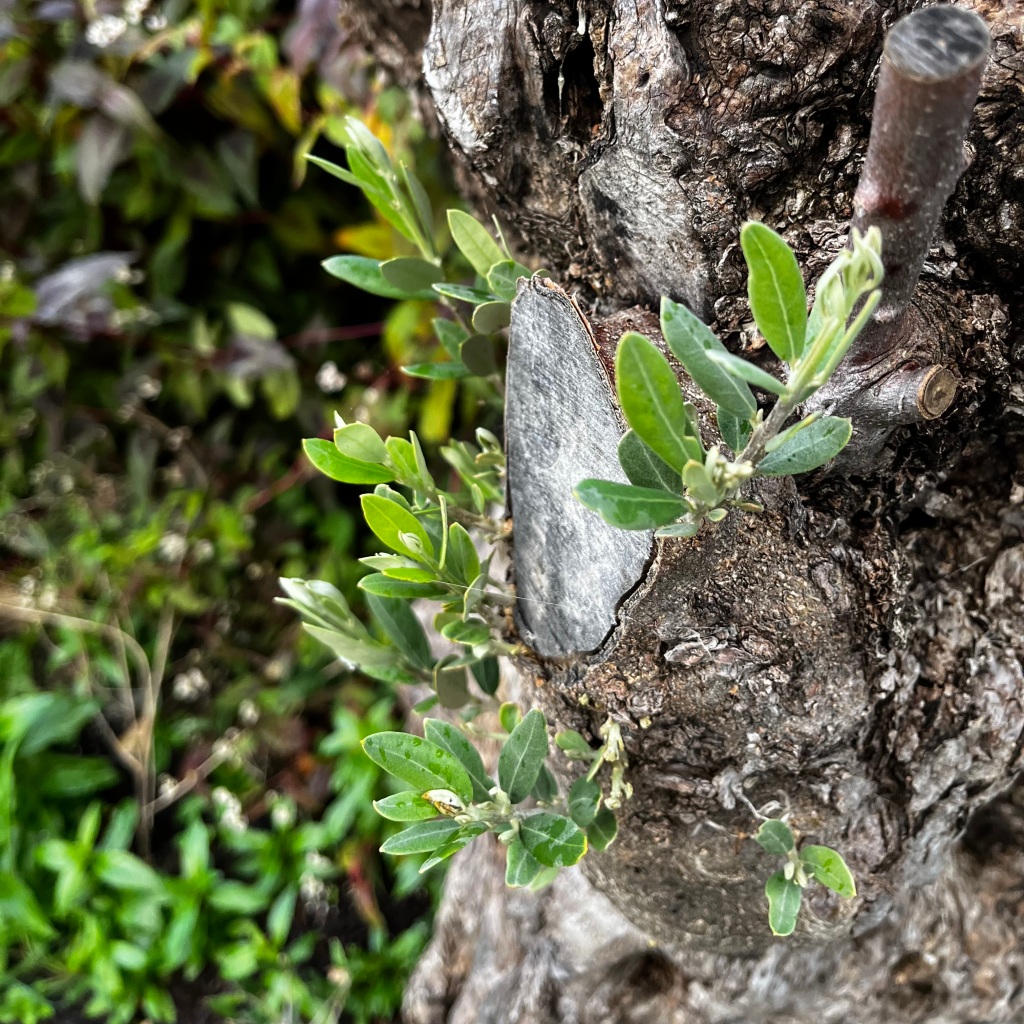
yesterday I had the pleasure of attending “herbal allies for the healing heart” with @olivia_oherbals @collective.wonder.herb.schoolwhich inspired a trip to @nationalbotanicgardens_ireopw to sit with olive and hawthorn. link in bio for one of the many resources shared after the class: THE OLIVE TREES OF PALESTINE: A SYMBOL OF RESILIENCE AND HOPE by @gracegordonsf for @savoirflair .
-
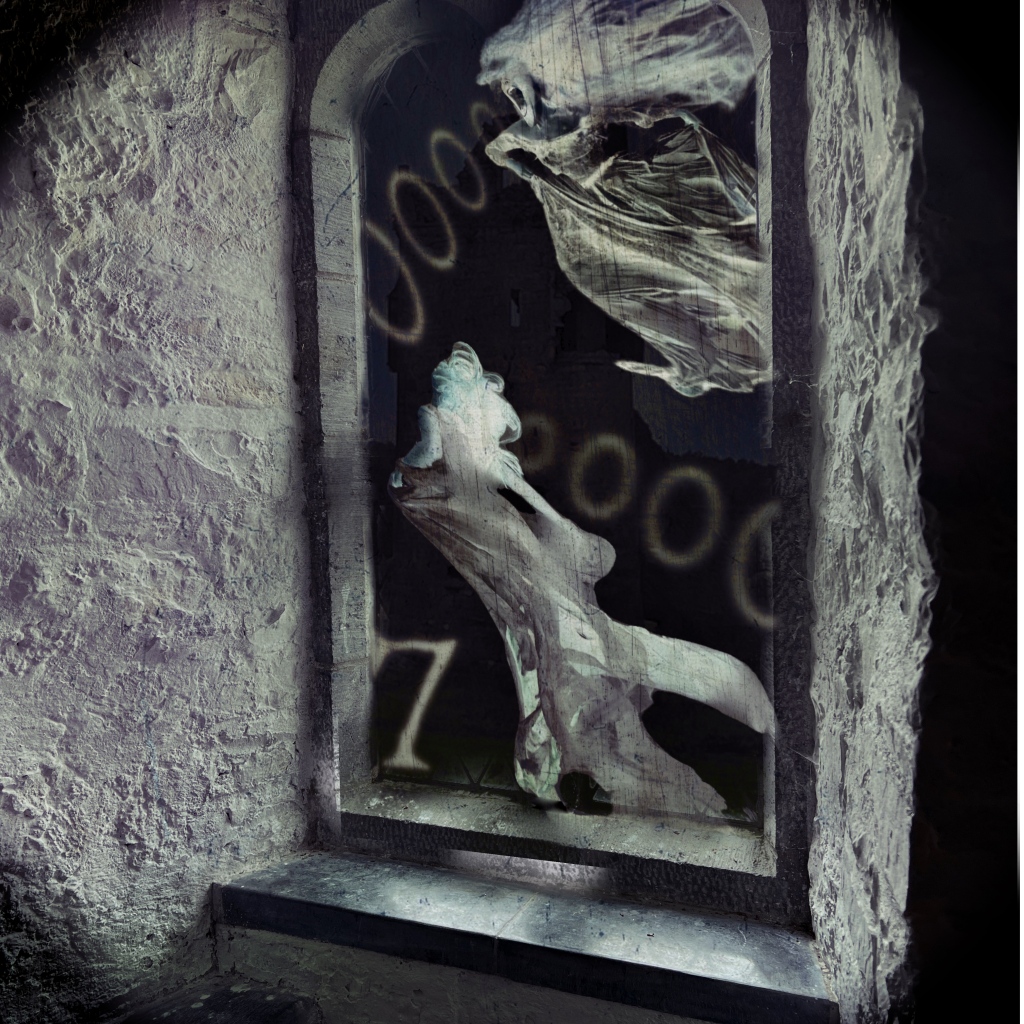
#mabsdrawlloweenclub2023 – day 7 – Faerie – Bean Sí | Bean Caointe “I heard the banshee when my grandmother died. She was heard on Rathlin too by the people, but I never heard her there. I’d be telling a lie if I did. We were saying the rosary when this cry started and when she stopped
-
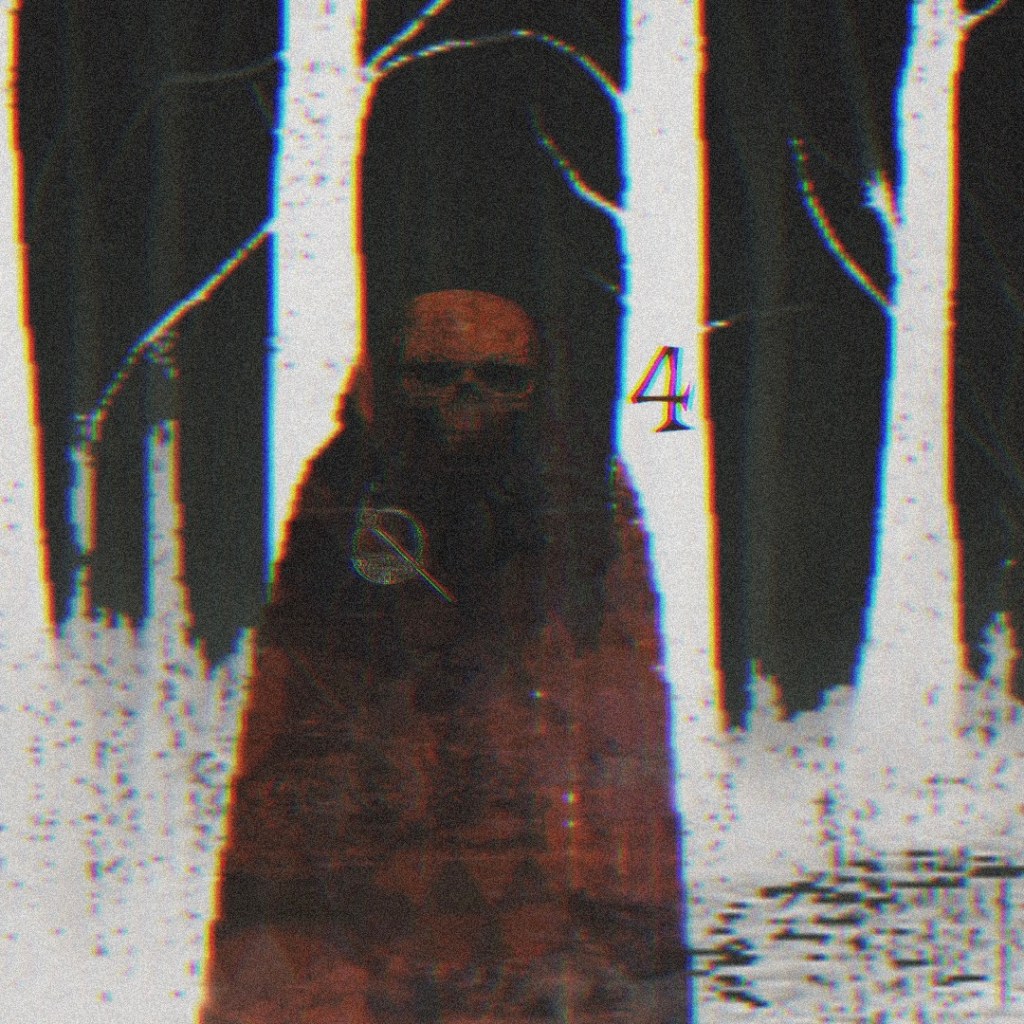
The Abhartach – “It is very curious that, in some parts of the country, the people still retain a dim traditional memory of this mode of sepulture, and of the superstition connected with it. There is a place in the parish of Errigal in Londonderry, called Slaghtaverty, but it ought to have been called Laghtaterty,
Bridging Appalachia
A Baltimorean folklorist in Ireland to explore story as medicine and the preservation of traditional foodways and medicine techniques in Irish lore.
 Bridging Appalachia